If you’ve been watching DAMAC Islands Dubai real estate even a little, you’ve probably noticed how fast “waterfront” and “island-style” projects get people’s attention. Sometimes it’s legit because these homes do rent well when they’re done right. Other times it’s just… nice renders and big promises, and everyone forgets to ask the unsexy questions.
So yeah, is DAMAC Islands worth investing in for 2026?
It can be. But only if you look at it like a proper investment (numbers, timeline, exit plan), not like a mood.
First, what is DAMAC Islands, really?
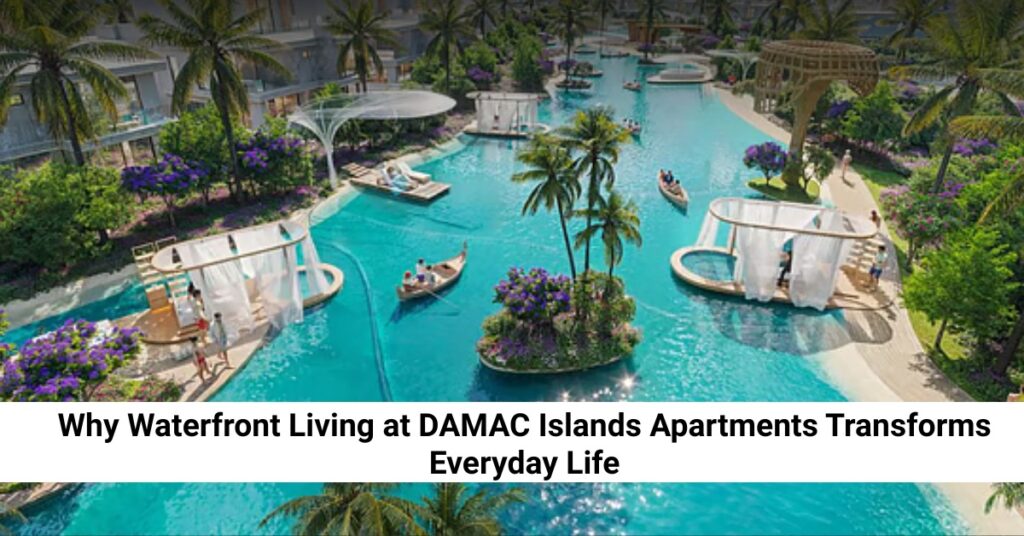
At a basic level, DAMAC Islands is being marketed as a lifestyle community. Water features, resort feel, “holiday at home” type of thing. And look, Dubai loves that stuff. Tenants love it too, when it’s actually delivered and maintained.
Quick reality check, though: with off-plan projects, details can shift. Names get reused. Timelines move. Phases launch in batches.
So don’t rely on one brochure or a reel. Verify the essentials through:
- DAMAC’s official project material (master plan, phase, payment plan, handover notes)
- Dubai Land Department (DLD) and RERA documentation where relevant
- Your SPA details (what you’re actually signing up for)
If it’s off-plan, your “property” right now is basically a contract + a schedule + your patience level.
One more thing (and I’m saying this as a practical move, not a “gotcha”): before buying a brand-new project, it helps to look at how the developer’s existing buildings feel today. People often check places like Damac Executive Heights or Damac Park Towers just to get a sense of maintenance, management style, and whether the property still feels premium after a few years.
Why 2026 keeps coming up for investors
A lot of people are eyeing 2026 because it’s that middle zone where:
- handovers start feeling “close enough” to plan around
- Payment plans can spread the cost instead of one big hit
- Investors want to buy before a community feels fully mature (because prices often move once people actually move in)
But 2026 is also the year when the fantasy version of a project meets real life:
- service charges you can’t ignore
- traffic patterns that show up once the area fills
- actual rental demand, not “expected ROI” slides
That’s not me being negative. That’s just how Dubai property works.
What actually makes DAMAC Islands interesting as an investment
Lifestyle Appeal Attracts Quality Tenants
Dubai renters don’t only pay for bedrooms. They pay for the feeling. Pool, walkways, community vibe, clean facilities, decent security, nice landscaping, all that.
Resort-style communities tend to perform better when:
- The amenities are real, finished, and maintained
- The community has a clear identity (not just “another project”)
- The access makes sense for the tenant profile you’re targeting
If DAMAC Islands nails the community experience, it can justify stronger rent than a basic building that’s just concrete and a lobby.
ayment Plans Offer Flexibility, Not Guaranteed Profit
This is where people confuse themselves.
A good payment plan helps because you’re not locking all your cash upfront. That’s useful if you’re investing with a 2 to 4 year horizon and want to keep liquidity.
But it doesn’t magically mean you’re making money. You still need:
- realistic rent expectations
- a plan for service charges and furnishing
- a resale strategy that matches market conditions later
Upside Depends on Community Maturity
Early buyers sometimes benefit when:
- Retail fills in
- roads and access improve
- The place becomes “known” and starts attracting end-users, not just investors
The risk is obvious too: not every “future hotspot” becomes convenient on schedule. Some take longer. Some stay quiet longer than people expected.
A Realistic Investment Scenario
Picture this: you’re in Dubai for two days, you view three projects back-to-back, and DAMAC Islands is the one that feels like a mini-vacation. Water, greenery, and a show unit that smells like expensive candles. You’re sold.
Then you’re back home, staring at a spreadsheet at 1 am thinking, “Okay… who’s renting this in 2026? What are the service charges? If I need to sell fast, who’s buying it from me?”
That’s the difference between buying a nice idea and buying something you can actually defend financially.
DAMAC Islands Dubai Location and Access
I’m not going to pretend I know your exact phase, plot, or the best route without a map in front of me. Dubai communities can be five minutes from a highway on paper and still feel annoying in real life.
Here’s what you should check (seriously, check it):
- Distance to main highways, and whether the exit is smooth or always clogged
- Drive times to major work hubs (the places your tenants will commute to)
- How close “daily life” is: supermarket, pharmacy, clinic, school options
- What’s open now vs what’s “planned”
If it’s further out, that’s not automatically bad. It just means you’re betting more on future growth, so your purchase price needs to reflect that. (Same idea as what some people experienced with bigger communities like Damac Hills 2. Great for the right buyer, but you have to be honest about access and daily convenience.)
Hidden Factors That Impact Long-Term Returns
Service Charges Can Reduce Returns
Water-themed, resort-style communities can have higher upkeep. Landscaping, facilities, water features, common areas, all of it costs money to maintain.
Ask for service charge estimates, then budget a buffer anyway. Because in real life, it’s rarely lower than you hoped.
Short-Term Rentals Depend on Regulations
If your plan is Airbnb-style income, cool, but confirm:
- community rules
- any building restrictions
- licensing and management costs
- occupancy reality in that location
A lot of investors assume short-term rental is a cheat code. It’s not. It’s a business model, and it comes with work and costs.
Handover and snagging time
Off-plan handover isn’t “collect keys and rent it tomorrow.”
You may need time for:
- snagging
- utility setup (DEWA, internet providers)
- furnishing (especially if you’re targeting premium tenants)
- Property management setup if you’re overseas
And if you want a quick “reality sample,” check how rentals perform in other lifestyle-leaning DAMAC pockets too. Even something like golf vita at damac hills can teach you a lot about what tenants pay extra for, and what they ignore.
Quick Pros and Cons
Pros
- Lifestyle branding can attract higher-paying tenants
- Payment plans can help you manage cashflow
- If the community lands well, resale demand can be strong near and after handover
Cons
- Off-plan risk (delays, market shifts, changing demand)
- Potentially higher service charges
- If access feels inconvenient, rents won’t match the hype
What to Check Before Investing
Here’s the stuff worth confirming before you get emotionally attached.
| What to verify | Why it matters |
| Exact phase, unit type, view/location | Impacts rent and resale more than most people admit |
| Handover estimate and developer track record | Delays affect your cash plan |
| Payment plan schedule + penalties | You need to know worst-case scenarios |
| Expected service charges (estimate) | Changes your net return, not just gross rent |
| Comparable rents in nearby areas | Keeps your rent expectations realistic |
| DLD/RERA basics, escrow, SPA terms | Reduces legal and payment risk |
| Exit plan | Flip near handover vs hold and rent, decide early |
Also, don’t forget transaction costs. In Dubai, buyers often budget for DLD fees (commonly 4 percent, confirm for your deal), plus admin and other charges depending on the setup.
If you’re the type who likes doing extra homework (I am, a little), it can also help to see how DAMAC handles non-residential assets too. People sometimes look at Damac Business Tower just to get a feel for operations, maintenance rhythm, and how the developer’s properties “age” in the real world.
Who does this investment usually fit?
DAMAC Islands tends to make sense for:
- buyers with a 2 to 5 year horizon
- investors targeting lifestyle tenants (not bargain renters)
- Overseas buyers who want newer, managed-community living
It might not suit you if:
- You need immediate rental income this year
- You don’t handle timeline uncertainty well
- You’re highly sensitive to service charges and ongoing costs
DAMAC Islands Dubai Final Thoughts
DAMAC Islands could be worth investing in for 2026 if you’re buying with clear eyes. The lifestyle angle can be a real demand driver in Dubai, but the returns only work if the community actually delivers and the ongoing costs don’t eat into your profitability. The competitive forces behind DAMAC Islands Apartments in the Dubai real estate market include lifestyle-oriented design, excellent investment foundation and developer support.
FAQs
Q1: Is DAMAC Islands good for rental income in 2026?
A: It can be, if the community is delivered properly and the tenant demand matches the location. Check net returns after service charges and management costs.
Q2: Is it better to flip near handover or hold long-term?
A: Depends on the market in that year and your cash needs. Flipping works when demand is strong near handover. Holding works when rents and costs make sense.
Q3: Do island-style communities usually have higher service charges?
Often, yes. More amenities usually mean more maintenance. Confirm estimates and keep a buffer.
Q4: Is off-plan safe in Dubai?
A: Dubai is more regulated than many markets, but it’s not risk-free. Verify escrow, SPA terms, and developer record.
Q5: Can overseas investors manage a unit easily?
A: Yes, but only if you plan for property management, furnishing, and snagging. Build those costs into your numbers.
Q6: What’s the biggest mistake buyers make with projects like this?
A: Buying based on the show unit and ignoring the exit plan. You should know who your future buyer or tenant is before you sign.
Lorem ipsum dolor sit amet, consectetur adipiscing elit. Ut elit tellus, luctus nec ullamcorper mattis, pulvinar dapibus leo.